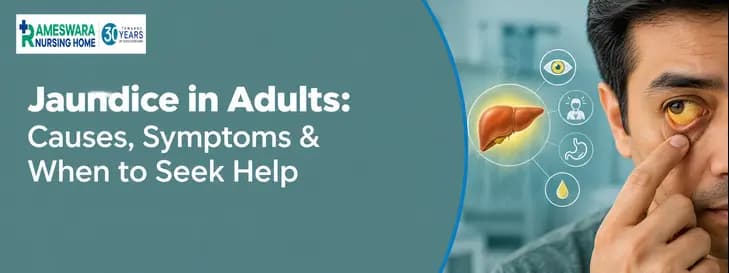

Jaundice causes your skin and the whites of your eyes to turn yellow, signalling a build-up of bilirubin, a waste product your liver normally processes. While some cases are mild and self-limiting, jaundice in adults can indicate serious liver, bile duct, or blood disorders that need prompt evaluation. Understanding the causes and symptoms helps you recognize when professional medical assessment is necessary.
What is Jaundice and Why Does It Happen?
Jaundice occurs when bilirubin, a yellow pigment produced during the natural breakdown of red blood cells, accumulates in your bloodstream faster than your liver can process and eliminate it. Your liver normally filters bilirubin and excretes it into bile, which flows through ducts into your intestines. When this process breaks down, whether due to liver damage, blocked bile ducts, or an overproduction of bilirubin, the pigment builds up and stains your skin and sclera (the white part of your eyes) yellow. Adults can develop jaundice from many different sources, ranging from temporary infections to chronic liver disease. The colour intensity and speed of onset often reflect the underlying cause's severity.
Common Causes of Jaundice in Adults
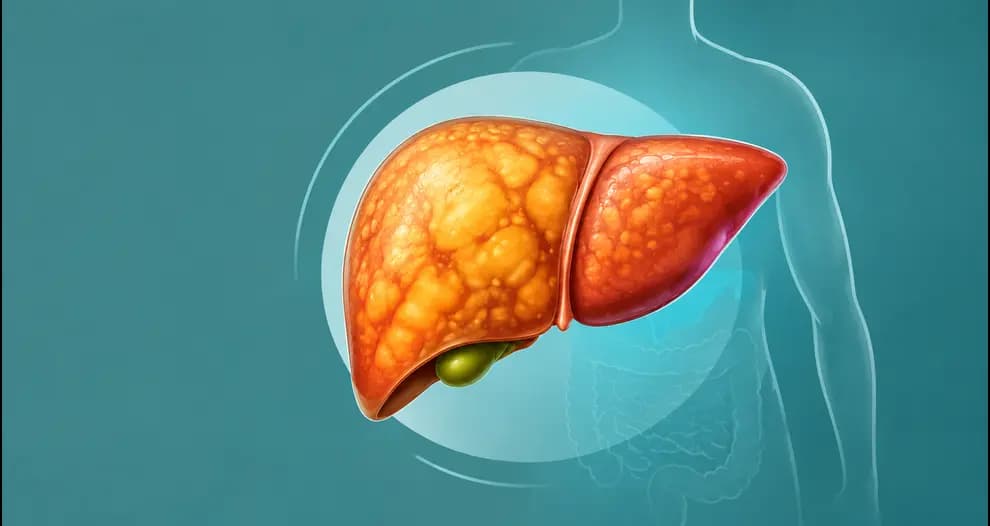
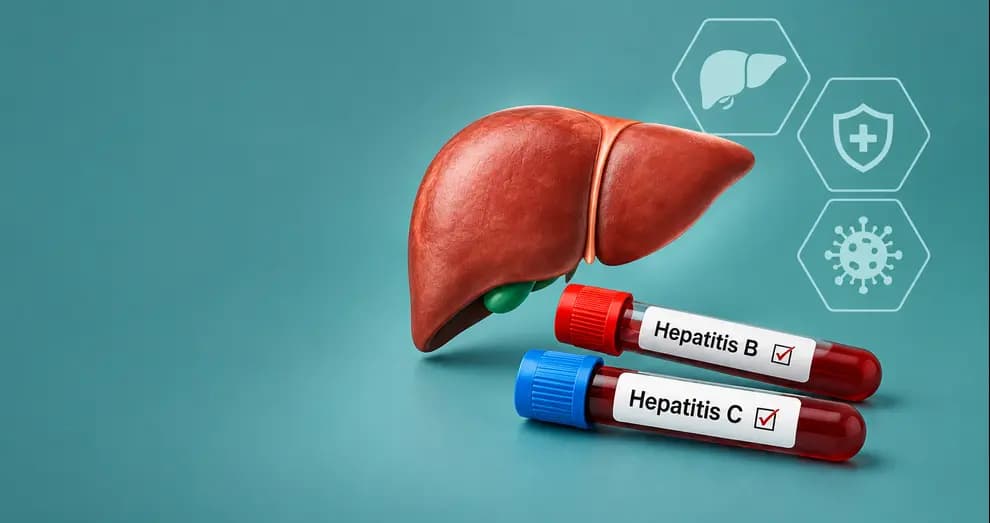
Jaundice in adults stems from three main mechanisms: impaired liver function, blocked bile ducts, or excessive red blood cell breakdown. Liver diseases such as viral hepatitis (hepatitis A, B, C, D, and E), alcoholic liver disease, cirrhosis, and fatty liver disease directly damage liver cells and reduce their ability to process bilirubin. Bile duct obstruction, often from gallstones, tumours, or strictures, prevents bilirubin from leaving the liver, causing a backup into the bloodstream. Haemolytic anaemia and other blood disorders can produce bilirubin faster than your liver can handle it, even if liver function is normal. Infections like malaria and sepsis, certain medications, and autoimmune conditions also trigger jaundice. In some adults, jaundice appears suddenly after exposure to contaminated water or food, while in others it develops gradually over months or years.
Recognizing Jaundice Symptoms in Yourself
Yellowing of the eyes and skin is the most recognisable sign of jaundice, but other symptoms can help doctors identify its possible cause. The pattern matters, especially when jaundice appears alongside abdominal pain, fever or changes in urine and stool colour.
-
Yellow eyes and skin: Bilirubin builds up in the blood, causing yellow discolouration. The eyes may show the change before the skin.
-
Dark, tea-coloured urine: This can occur when conjugated bilirubin passes into the urine.
-
Pale stools and itching: These symptoms may indicate reduced bile flow, as seen with bile duct obstruction or cholestasis.
-
Fatigue, appetite loss and low-grade fever: These can occur with viral hepatitis and other liver conditions. Source: IDSP/MoHFW
-
Right upper abdominal pain with fever and chills: This combination may indicate a bile duct infection, which requires urgent medical assessment. Source: MedicineNet
-
Unexplained weight loss, easy bruising or blood in the stool: These symptoms need prompt investigation for potentially serious underlying conditions.
-
Drowsiness, confusion or abdominal swelling: These may signal severe liver dysfunction and require emergency care
Jaundice Red Flags: When Is It an Emergency?
Go to an emergency department now if jaundice comes with:
• Confusion, extreme sleepiness or behaviour change • Vomiting blood or black, tarry stools • High fever with chills and severe upper-right abdominal pain • Repeated vomiting and inability to drink fluids • Pregnancy (hepatitis E can be severe) See a doctor the same or next day if you have vomiting, unintended weight loss, abdominal pain, easy bruising or blood in stool
How Doctors Diagnose Jaundice
Your doctor begins by examining you for visible jaundice and palpating your abdomen to check for an enlarged liver or lumps. Blood tests measuring bilirubin levels, liver enzymes (ALT, AST), and alkaline phosphatase help distinguish whether jaundice stems from liver damage or bile duct obstruction. A complete metabolic panel and clotting studies assess your liver's synthetic function. Ultrasound imaging is usually the first imaging test; it visualizes your liver, pancreas, and bile ducts to detect stones, tumours, or narrowing. If ultrasound findings are unclear, CT or MRI scans provide detailed cross-sectional views. Hepatitis serologies and viral PCR tests identify infectious causes. In some cases, endoscopic retrograde cholangiopancreatography (ERCP) directly visualizes and can open blocked bile ducts. Liver biopsy, a needle sample of liver tissue, may be performed if diagnosis remains uncertain or if assessing the degree of liver scarring is important. Testing typically occurs in outpatient clinics or day-care settings, with results available within days to weeks.


Jaundice Treatment in Adults Depends on the Cause
Jaundice is a sign of an underlying condition, not a disease with one standard medicine. Treatment depends on whether excess bilirubin results from liver inflammation, a bile duct blockage, red blood cell breakdown or another medical problem. Doctors use blood tests, imaging and, when needed, additional investigations to identify the cause and decide on the appropriate treatment.
Common treatment approaches include:
-
Hepatitis A or E: Treatment usually involves supportive care, adequate hydration, nutrition and monitoring of liver function. Hepatitis E can occasionally cause severe liver injury, with pregnant women at particular risk of complications. Source: IDSP/MoHFW
-
Hepatitis B or C: Antiviral medicines may be recommended depending on the infection, its stage and the patient's liver health. India's National Viral Hepatitis Control Programme provides access to diagnosis and treatment for eligible patients. Source: Indian Journal of Medical Research
-
Gallstones or bile duct obstruction: Treatment may involve endoscopic procedures to remove stones or insert a stent, or surgery where indicated. Antibiotics are required if a bacterial infection is present. Source: MedicineNet
-
Alcohol- or medication-related liver injury: Doctors may recommend stopping alcohol or adjusting the suspected medicine under medical supervision, alongside nutritional support and liver monitoring.
-
Haemolysis: Treatment focuses on the underlying blood disorder or condition causing red blood cells to break down prematurely.
-
Tumour-related obstruction: Care may involve a multidisciplinary team to assess options such as relieving the blockage, surgery, systemic therapy or other appropriate cancer treatments.
Important: New or worsening jaundice in an adult requires prompt medical assessment. Do not self-medicate or stop prescribed medicines without consulting a doctor.
Jaundice Myths That Delay Care
• "It will settle on its own." Some viral cases do, but you cannot know which kind you have without tests. • "A herbal remedy will clear it." Herbal products can injure the liver. • "No pain means no danger." Painless jaundice with weight loss can signal a blockage or tumour. • "My eyes are only slightly yellow." Any degree warrants evaluation.
Jaundice Treatment at Rameswara Nursing Home, Kolkata
Rameswara Nursing Home is a NABH-accredited hospital in Ultadanga, Kolkata, offering emergency care, in-house diagnostics, gastroenterology, surgery and critical care support. Its facilities help patients with adult jaundice undergo evaluation and receive appropriate treatment based on the underlying cause.
The hospital’s jaundice care pathway includes:
-
Diagnosis and evaluation: In-house pathology and radiology support bilirubin tests, liver function tests, viral serology and ultrasound, as advised by the treating doctor.
-
Specialist consultation: Gastroenterologists evaluate liver-related conditions and possible bile duct obstruction.
-
Treatment and monitoring: General surgery, operation theatres and ICU/ICCU facilities support patients requiring procedures or closer monitoring.
-
Admission and billing: General, semi-private and private rooms are available, with cashless treatment support for eligible insurance policies.
With more than 35 years of service and round-the-clock emergency and ambulance support, Rameswara Nursing Home offers coordinated care for patients in Kolkata and nearby areas.
Looking for jaundice treatment in Kolkata? Contact Rameswara Nursing Home to discuss your symptoms, existing reports and the appropriate department before visiting.
Conclusion
Jaundice in adults is the liver and bile system asking for attention. The cause may be as manageable as a waterborne hepatitis or as serious as a blocked bile duct or tumour, and the colour of your eyes cannot tell you which. What separates a good outcome from a late one is speed: spot the red flags, get a bilirubin and liver panel, confirm with an ultrasound, and let a gastroenterology team direct treatment. If you are in Kolkata or travelling for care, Rameswara Nursing Home can see you through the whole pathway under one roof.
Need help now? Chat with our assistant on WhatsApp Today!