
Prostate problems affect millions of men worldwide, yet many don't recognize the early warning signs until symptoms become bothersome. Your prostate is a walnut-sized gland that produces fluid for semen, and when it enlarges or becomes inflamed, it can significantly affect your quality of life. Understanding what to look for and when to seek help is the first step toward maintaining prostate health and peace of mind.
What Are Prostate Problems?
The prostate is a walnut-sized gland that sits just below the bladder, wrapped around the urethra, and its main job is producing part of the fluid that makes up semen. As men age, the gland can become inflamed, enlarge, or develop abnormal cell growth, and each of these changes produces a different “prostate problem” with its own causes and its own treatment.
Broadly, prostate problems fall into three categories:
- Prostatitis: inflammation or infection of the prostate
- Benign Prostatic Hyperplasia (BPH): non-cancerous enlargement of the prostate
- Prostate cancer: abnormal cell growth within the prostate gland
Because the symptoms of all three can overlap, frequent urination, a weak stream, pelvic discomfort, a proper diagnosis matters more than guessing based on symptoms alone.
Common Prostate Conditions Explained
Prostatitis
Prostatitis is inflammation of the prostate gland and is, according to MedlinePlus, the most common type of prostate problem in men under age 50. It shows up in a few forms: acute bacterial prostatitis (sudden onset, often with fever and pain, needing urgent antibiotic treatment), chronic bacterial prostatitis (recurring infections), and chronic pelvic pain syndrome, which causes ongoing discomfort without an identifiable infection. Symptoms typically include pain during urination, pain in the lower back or pelvis, and sometimes pain with ejaculation.
Benign Prostatic Hyperplasia (BPH)
BPH is a non-cancerous enlargement of the prostate that develops gradually with age. As the gland grows, it can squeeze the urethra and partially block urine flow, leading to a weak stream, frequent urination (especially at night), and a feeling of incomplete bladder emptying. The National Institute of Diabetes and Digestive and Kidney Diseases notes that BPH is the most common prostate problem in men older than 50, and importantly, having BPH does not increase the risk of prostate cancer, the two conditions can simply coexist.
Prostate Cancer
Prostate cancer develops when cells in the prostate gland grow abnormally. Treatment options range from active surveillance for slow-growing cancers to surgery, radiation therapy, hormone therapy, chemotherapy and immunotherapy for more advanced disease. Early-stage prostate cancer often causes no symptoms at all, which is exactly why PSA (prostate-specific antigen) blood testing and regular check-ups matter for men over 50 — or over 45 for those with a family history.
Signs and Symptoms of Prostate Problems
Symptoms overlap across conditions, but the pattern and combination often point a doctor toward the right diagnosis:
| Symptom | Most Often Linked To |
|---|---|
| Frequent urination, especially at night | BPH |
| Weak or interrupted urine stream | BPH |
| Pain or burning during urination | Prostatitis |
| Fever with pelvic or lower back pain | Acute prostatitis (needs urgent care) |
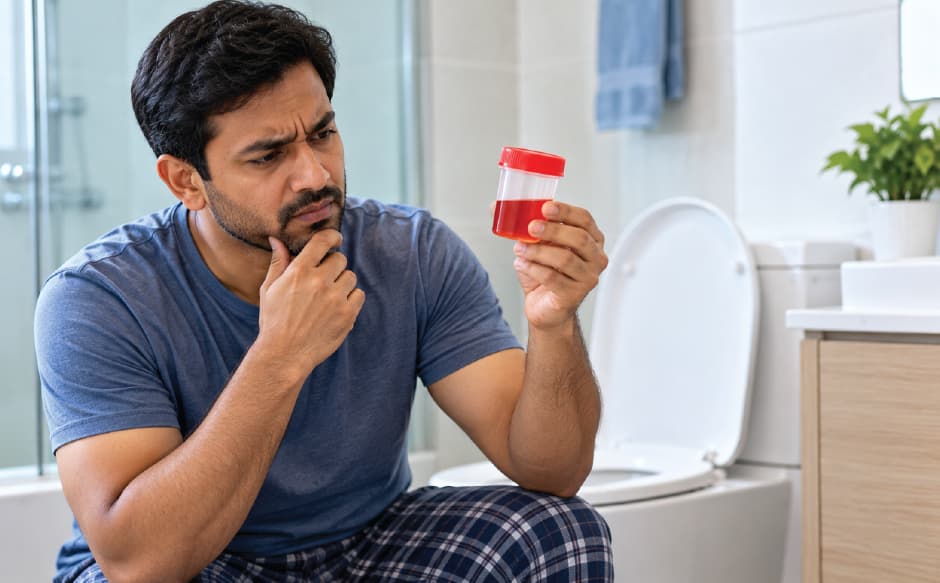
| Blood in urine or semen | Requires evaluation, can indicate BPH, infection, or cancer |
| Sudden inability to urinate | Acute urinary retention, medical emergency |
| No symptoms at all, found on routine | PSA/DRE Early-stage prostate cancer |
How Prostate Conditions Are Diagnosed
Diagnosis usually starts with a conversation about symptoms and a physical exam, followed by targeted tests:
- Digital rectal exam (DRE): A quick physical check of the prostate's size and texture
- PSA blood test: measures prostate-specific antigen, elevated in BPH, prostatitis and prostate cancer
- Uroflowmetry: measures the strength and pattern of urine flow
- Ultrasound (including transrectal ultrasound): checks prostate size and rules out other causes
- IPSS (International Prostate Symptom Score): a structured questionnaire used to grade symptom severity
- Biopsy: used only when cancer is suspected, to confirm a diagnosis
No single test tells the whole story, which is why a urologist typically combines two or three of these before deciding on treatment.


Prostate Problems Treatment: What Are the Options?
Treatment depends on the type and severity of the prostate condition, with options ranging from medication and monitoring to minimally invasive procedures and surgery.
| Condition | First-line treatment | Advanced / surgical options |
|---|---|---|
| Prostatitis (bacterial) | Antibiotics, anti-inflammatories, alpha-blockers | Rarely surgical; drainage only if abscess forms |
| Prostatitis (chronic pelvic pain) | Alpha-blockers, physiotherapy, lifestyle changes | Pain management, nerve-focused therapies in resistant cases |
| BPH | Alpha-blockers, 5-alpha reductase inhibitors, watchful waiting for mild cases | TURP, laser enucleation/vaporisation, minimally invasive procedures for larger glands |
| Prostate cancer (localised) | Active surveillance for slow-growing, low-risk cancers | Radical prostatectomy, radiation therapy, hormone therapy |
| Prostate cancer (advanced) | Hormone therapy, combination protocols | Chemotherapy, immunotherapy, surgery as indicated |
Medication and Lifestyle-First Management
For most men with mild-to-moderate BPH or chronic prostatitis symptoms, doctors start conservatively: medications to relax the muscles around the prostate and bladder neck, reduce inflammation, or gradually shrink the gland, combined with practical changes, reducing evening fluids and caffeine, pelvic floor exercises, and maintaining a healthy weight, since higher body fat is consistently linked to larger prostate volume in the research.
Minimally Invasive and Surgical Options
When medication isn't enough or the prostate has grown large enough to seriously block urine flow, minimally invasive procedures such as laser enucleation or vaporisation can relieve symptoms with a shorter recovery than traditional surgery. Transurethral resection of the prostate (TURP) remains a well-established option for larger glands. For prostate cancer, the treatment team (usually a urologist and oncologist working together) chooses between surgery, radiation and hormone therapy based on the cancer's stage, grade, and the patient's overall health.
When Prostate Symptoms Are a Medical Emergency
Most prostate problems develop gradually and can be scheduled around an OPD visit. A few signs, however, need same-day attention:
- Complete inability to urinate (acute urinary retention)
- Fever with severe pelvic or lower back pain
- Visible blood in urine or semen
- Unexplained weight loss alongside urinary symptoms
If any of these occur, the right move is a same-day consultation or an emergency department, not waiting to see if it passes.
Also Read: Erectile Dysfunction: Causes, Types & Effective Treatment
How Rameswara Nursing Home Approaches Prostate Care in Kolkata
If you're based in or around Kolkata and weighing where to actually get a prostate concern looked at, here's a straightforward, practical picture of what that looks like at Rameswara Nursing Home in Ultadanga.
The hospital is NABH-accredited, meaning its clinical protocols and patient-safety standards are independently verified rather than self-declared, and has been operating for over 35 years, with a dedicated Urology & Nephrology department that handles prostate, kidney and bladder concerns as a connected specialty rather than in isolation. In practice, that matters for prostate care specifically: a man with urinary symptoms often needs a kidney function check alongside a prostate evaluation, and having both under one department avoids the back-and-forth of separate referrals.
What tends to make the biggest practical difference for patients is that diagnostics, consultation and treatment sit under the same roof: in-house pathology and radiology for PSA testing and ultrasound, fully equipped operation theatres backed by ITU/HDU critical-care support for cases that need a procedure, and a 24/7 emergency department for the rarer but urgent cases of acute urinary retention. That shortens the path from “something feels off” to an actual diagnosis, which is often the slowest part of getting treated anywhere.
On cost, one of the most common reasons men in India delay a urology consult in the first place, Rameswara Nursing Home publishes a transparent tariff card and holds cashless tie-ups with major insurers and TPAs (including names like HDFC ERGO, Bajaj Allianz, Niva Bupa and Medi Assist), with a billing desk that handles pre-authorisation paperwork directly. Across general, semi-private and private ward options, the hospital has treated over 50,000 patients through its 85-plus doctors, which is less a marketing statistic and more a reflection of a hospital that a lot of Kolkata families have returned to over multiple decades of care.
None of this replaces a conversation with a urologist about your specific symptoms, but if you're trying to decide where to have that conversation, a NABH-accredited, multi-specialty hospital with in-house diagnostics, transparent pricing and round-the-clock emergency backup is a reasonable, low-friction place to start.
Conclusion
Prostate problems, whether it's prostatitis, BPH, or prostate cancer, are among the most common health issues men face as they age, and also among the most manageable when caught early.
The path forward is rarely complicated: recognise the symptoms, get the right diagnostic tests rather than guessing, and match the treatment to the actual condition rather than to fear of the word “prostate.” Whether that means a short course of medication, a minimally invasive procedure, or ongoing monitoring, the outcomes for men who act on symptoms early are consistently better than for those who wait. If you're noticing any of the symptoms covered in this guide, the single most useful next step is a proper evaluation with a urologist, not months of searching for reassurance online.
Chat with our care team on WhatsApp for guidance on the right specialist and next steps, no need to self-diagnose from a symptom list. Chat with Rameswara Nursing Home's care team.
Medical Disclaimer: This article is for general informational purposes only and does not constitute medical advice, diagnosis, or treatment. Prostate symptoms can have multiple causes, and only a qualified doctor can evaluate your specific situation. Please consult a urologist or your treating physician before making any decisions about diagnosis or treatment.