
Cirrhosis is permanent scarring of the liver that develops over years of injury, slowly replacing healthy tissue and reducing your liver's ability to function. Left untreated, cirrhosis can lead to liver failure, bleeding, and life-threatening complications. Many people with compensated cirrhosis feel fine until fluid swells the abdomen, blood appears in vomit or the mind clouds, and that complication becomes the diagnosis.
This guide covers cirrhosis of the liver symptoms in the order they appear, how doctors separate compensated from decompensated stages, and what management looks like in practice: sodium limits, six-monthly cancer screening, beta-blockers and when to seek a transplant opinion. It is written around Indian causes and Indian kitchens, with notes on how gastroenterology care is organised at Rameswara Nursing Home in Ultadanga, Kolkata.
Quick answer Cirrhosis is permanent scarring of the liver after years of injury from alcohol, hepatitis B or C, or fatty liver. It has two clinical stages: compensated (often no symptoms) and decompensated (ascites, jaundice, variceal bleeding or confusion). Scarring is largely permanent, but treating the cause and screening for complications can keep the liver stable for years.
What Is Cirrhosis of the Liver, and How Is It Different From Fibrosis?
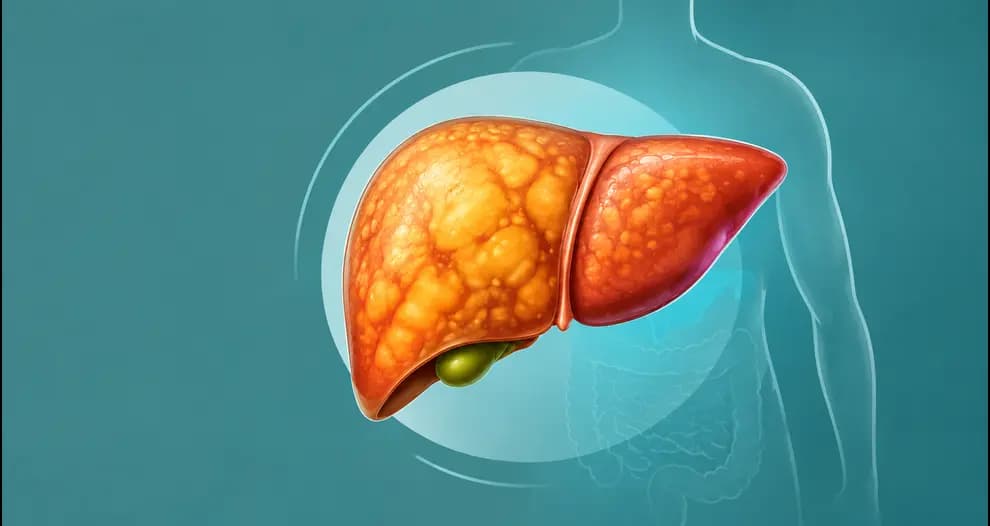
Cirrhosis occurs when your liver becomes severely scarred after repeated injury, usually from alcohol, viral hepatitis, or fatty liver disease. The scar tissue blocks blood flow through the liver and prevents it from working properly, causing it to fail gradually. Your liver is your body's largest organ and performs over 500 functions, including filtering toxins, making proteins, and storing energy. When cirrhosis develops, your body can no longer process these essential tasks effectively.
Repeated liver injury makes the organ lay down scar tissue, called fibrosis. When scarring distorts the liver's structure, the condition is called cirrhosis, the end stage of chronic liver disease. In early fibrosis, scarring can regress if the cause is removed, for example by clearing a virus. After months or years of injury it becomes permanent.
Doctors grade scarring on the METAVIR scale:
| Grade | What the pathologist sees | What it means |
|---|---|---|
| F0 | No fibrosis | Healthy tissue |
| F1 | Scarring around portal areas, no septa | Mild; can regress |
| F2 | Portal scarring with a few septa | Significant fibrosis |
| F3 | Numerous septa, no cirrhosis | Advanced fibrosis; last stage before cirrhosis |
| F4 | Cirrhosis | Architecture permanently remodelled |
Cirrhosis Symptoms: What You Notice and What Stays Hidden
Cirrhosis develops silently in its early stages, which is why many people don't realize they have it until significant damage has occurred. As the disease progresses, your body begins to show warning signs that your liver is struggling. Recognising these symptoms early allows you to seek medical help before complications become severe.
Early (compensated) symptoms
Early cirrhosis may cause no symptoms, or vague ones that resemble many other conditions:
- Tiredness and weakness
- Nausea or loss of appetite
- Upper abdominal discomfort
- Spider-like blood vessels on the skin
- Redness of the palms
Because these overlap with ordinary fatigue, cirrhosis is often found by accident.
Late (decompensated) warning signs
| Sign | What is happening | How fast to act |
|---|---|---|
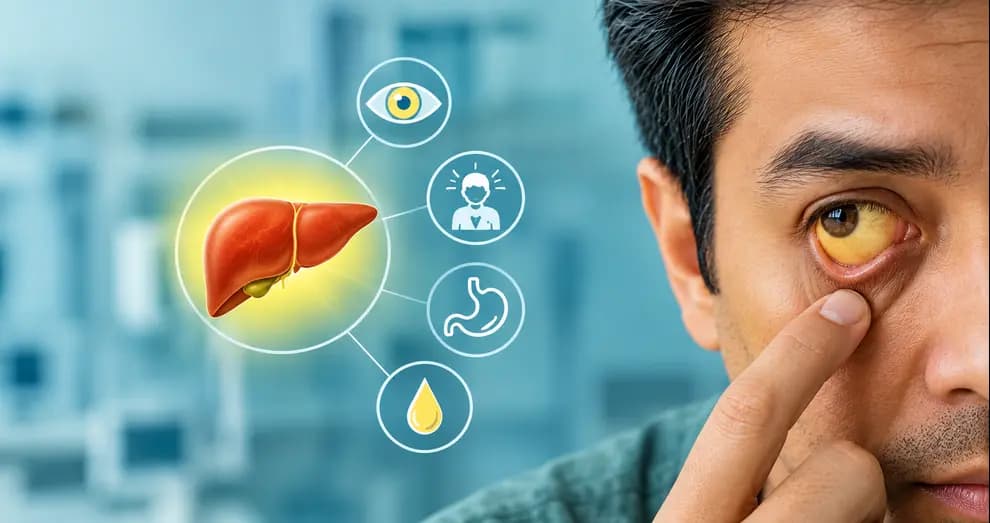
| Yellow eyes or skin (jaundice) | The liver cannot clear bilirubin | See a doctor within days. |
| Swollen belly or legs (ascites) | Portal hypertension and low albumin let fluid collect Within the week. | Same day if there is fever or belly pain, which can signal infected fluid. |
| Vomiting blood or black, tarry stool | Bleeding from swollen oesophageal or stomach veins (varices) | Emergency. Go to a hospital now. |
| Confusion, day-night reversal, hand flap | Hepatic encephalopathy as toxins reach the brain | Same day, treat as an emergency. |
| Easy bruising | Fewer clotting factors and platelets | Soon; tell your doctor before any procedure. |
| Falling urine output, new swelling | Kidney strain that can accompany advanced cirrhosis | Urgent assessment. |
Symptom groups follow the split used by Cleveland Clinic between failing liver function and portal hypertension. The urgency column is practical triage guidance, not a substitute for examination.
Also Read: Jaundice in Adults: Causes, Tests & When to Worry
How Cirrhosis Progresses: Understanding the Stages
Cirrhosis is classified into two main stages based on whether symptoms are present and whether serious complications have developed. Understanding where you are in the disease process helps your doctor plan the right treatment approach for your individual situation.
Compensated Cirrhosis is the earlier stage where your liver still functions adequately despite scarring. You may have few or no symptoms, and blood tests may appear nearly normal. At this stage, your remaining healthy liver cells are compensating for damaged areas. This stage can last years, and with proper management, avoiding alcohol, treating the underlying cause, and regular monitoring, progression can be significantly slowed.
Decompensated Cirrhosis occurs when your liver can no longer maintain normal function. Serious complications develop, including portal hypertension (high blood pressure in liver blood vessels), ascites (fluid buildup in the abdomen), hepatic encephalopathy (brain dysfunction from toxin buildup), and variceal bleeding (life-threatening bleeding from enlarged veins). At this stage, symptoms become severe and hospitalisation may be needed. According to Mayo Clinic, the five-year survival rate drops significantly once decompensation occurs, making early detection crucial.
The progression from compensated to decompensated cirrhosis is not always predictable and varies greatly between individuals. This is why regular monitoring with your gastroenterologist is essential to catch warning signs early.
Diagnostic Tests Your Doctor Will Recommend
Your gastroenterologist will use several tests to confirm cirrhosis, determine its severity, and identify what caused it. These tests help create a personalised management plan tailored to your condition.
Blood tests measure liver function by checking for elevated enzymes, bilirubin levels, albumin, and clotting factors. A complete blood count reveals whether you have anaemia or platelet problems. Testing for viral hepatitis antibodies (hepatitis B and C) identifies whether viral infection caused your cirrhosis. Liver biopsy, where a small tissue sample is taken with a needle, was once the gold standard but is now less common because imaging has improved.
Imaging tests provide detailed pictures of your liver and detect complications. Ultrasound uses sound waves to show liver size, texture, and signs of portal hypertension. Computed tomography (CT) scans or magnetic resonance imaging (MRI) offer more detailed views and help assess whether liver cancer has developed. Elastography measures liver stiffness, stiffer livers indicate more fibrosis and scarring. This non-invasive test has become increasingly valuable for staging cirrhosis without biopsy.
Upper endoscopy may be performed to check for varices, enlarged veins in your food pipe that can rupture and bleed. Your doctor may also calculate your Model for End-Stage Liver Disease (MELD) score, which predicts your prognosis and helps determine if you need a liver transplant. These comprehensive diagnostics ensure nothing is missed.


Treatment and Management Approaches for Cirrhosis
Cirrhosis cannot be cured, but treatment focuses on slowing disease progression, managing symptoms, and preventing life-threatening complications. Your management plan depends on the stage of your cirrhosis and what caused it.
Addressing the Underlying Cause is the first step. If alcohol caused your cirrhosis, complete abstinence is essential, continued drinking accelerates liver failure dramatically. For viral hepatitis B, antiviral medications can suppress the virus and slow scarring. Hepatitis C can often be cured with modern antiviral drugs. If fatty liver disease caused cirrhosis, weight loss, diabetes control, and reduced sugar intake are critical. Autoimmune liver diseases may require immunosuppressive medications.
Managing Complications becomes increasingly important as cirrhosis progresses. Diuretics help remove excess fluid from your body and reduce swelling. Beta-blockers lower portal pressure and reduce bleeding risk from varices. Lactulose and rifaxomimin help manage hepatic encephalopathy by reducing toxins. If bleeding occurs, endoscopic band ligation or sclerotherapy can seal bleeding varices. Sodium restriction, fluid limitation, and protein management support your kidneys and overall health.
Nutritional Support is vital, as cirrhosis impairs nutrient absorption. Your doctor may recommend specific diets low in sodium and sometimes protein, depending on your symptoms. Vitamins, particularly B vitamins and fat-soluble vitamins, may need supplementation.
Liver Transplant is the only cure for advanced cirrhosis. If your liver fails despite treatment, transplantation can extend your life dramatically. The decision to pursue transplantation is made by your hepatologist based on your MELD score, overall health, and availability of donor organs.
Eating and Living With Cirrhosis: An Indian-Kitchen Guide
Managing cirrhosis involves more than avoiding certain foods. Daily eating habits, adequate nutrition, medication safety and alcohol avoidance all matter. The following practical guidelines can help patients adapt their Indian meals to their liver health needs.
Limit salt if you have ascites: If fluid builds up in your abdomen, your doctor may recommend restricting sodium to under 2,000 mg a day. This is roughly equivalent to less than one level teaspoon of salt for the entire day. Remember to count hidden salt in achar, papad, namkeen, dried fish and packaged snacks.
Include enough protein: Aim for approximately 1.2–1.5 g of protein per kg of ideal body weight daily, unless your treating team advises otherwise. Do not restrict protein even if you have hepatic encephalopathy. Include dal, eggs, curd, paneer, fish and chicken across meals.
Avoid long gaps between meals: Try not to go more than 3–4 hours without eating while awake. A light carbohydrate-rich bedtime snack can help reduce overnight muscle breakdown. Discuss fasting, vrats and prolonged gaps between meals with your doctor.
Be careful with painkillers: Avoid NSAIDs such as ibuprofen and diclofenac unless specifically prescribed. Paracetamol may be used up to 2 g daily in many patients with cirrhosis, but confirm the appropriate dose with your doctor.
Check herbal products before use: Avoid self-prescribing herbal remedies, Ayurvedic preparations or products marketed as liver tonics. Some ingredients can cause additional liver injury. Show your doctor everything you take.
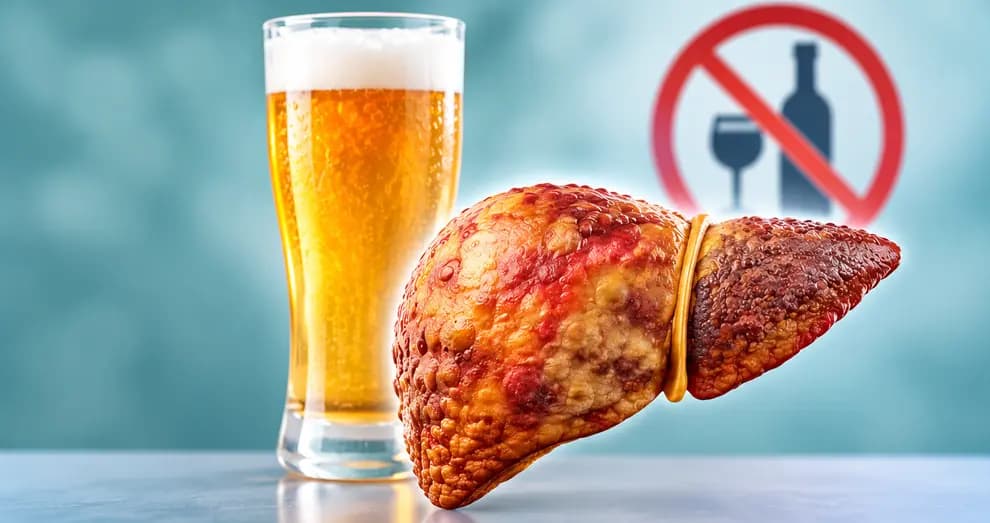
Avoid alcohol completely: There is no established safe amount of alcohol for someone with cirrhosis. Avoid occasional drinking as well as regular consumption.
Cirrhosis Care at Rameswara Nursing Home, Ultadanga
Cirrhosis often requires coordinated care across multiple specialities, particularly when complications affect the kidneys, cause internal bleeding or raise concerns about liver cancer. Rameswara Nursing Home, a NABH-accredited multi-speciality hospital in Ultadanga, Kolkata, has more than 35 years of service, 80+ doctors and 50+ beds.
Its facilities support different aspects of cirrhosis management:
-
Gastroenterology: Dr. Debasis Datta, Dr. Deepak Shah, Dr. Soumik Kr. Majhi and Dr. Subhodip Laskar provide specialist consultations and follow-up.
-
Diagnostics: In-house pathology and radiology support blood tests and imaging.
-
Emergency care: ICU, ICCU, 24-hour emergency services and ambulance support help manage acute complications.
-
Kidney and cancer care: Nephrology, urology, oncology and general surgery services support patients with associated complications.
-
Hospitalisation: General, semi-private and private rooms are available.
-
Billing and insurance: Published tariffs, cashless facilities and insurer/TPA support help families understand admission costs.
Patients travelling from outside Kolkata can share their liver function tests, ultrasound and endoscopy reports through Chat with our medical assistant on WhatsApp to enquire about consultations.
Rather than relying on claims of being the best hospital, families can assess its accreditation, specialist availability, facilities and treatment plan before making a decision.
Conclusion
Cirrhosis is serious, but it is not a single verdict. A compensated liver can stay stable for over a decade when the cause is treated, alcohol is stopped, screening is kept up and medicines are chosen carefully. A decompensated liver needs faster, closer care and an early conversation about transplant.
If you are concerned about cirrhosis or have been diagnosed with liver disease, our gastroenterology specialists in Kolkata are ready to help. We offer comprehensive diagnostic testing, expert management, and coordination with transplant centres when needed. Contact our hospital today to book a consultation and begin your personalised treatment plan.
Medical disclaimer This article is for general education and does not replace advice from a qualified doctor. Do not delay or change treatment based on it. If you have vomiting of blood, black stools, severe abdominal pain with fever or sudden confusion, seek emergency care immediately.