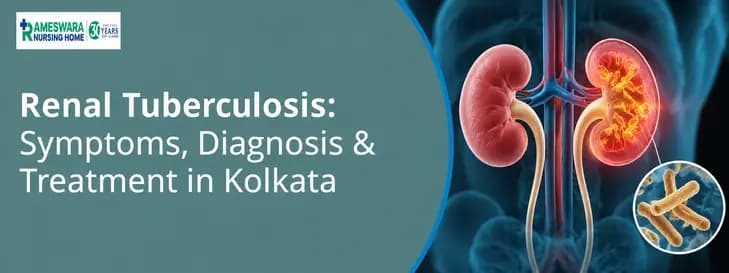

Renal tuberculosis is a serious infection of the kidneys caused by the same bacteria that causes pulmonary tuberculosis, though it affects the urinary system instead of the lungs. Early detection and proper treatment are essential to prevent permanent kidney damage and complications. This guide explains what renal tuberculosis is, how to recognize its symptoms, and what treatment options are available to you.
What is Renal Tuberculosis
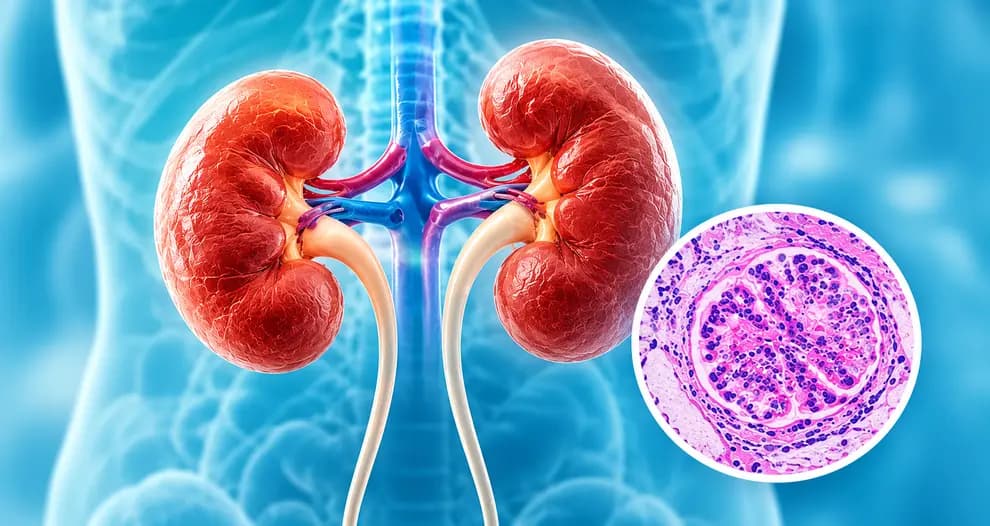
Renal TB is infection of the kidney by Mycobacterium tuberculosis. It usually starts in the kidney's outer tissue and can spread down the ureter to the bladder. Doctors often call the wider picture genitourinary TB (GUTB) or urinary tuberculosis. It can also involve the epididymis in men and the fallopian tubes in women.
The damage comes from scarring. If left untreated, the scarring can narrow the ureter, block urine flow and swell the kidney (hydronephrosis). In the worst cases the kidney stops working.
Renal TB symptoms: what to watch for
Early disease can cause no symptoms at all. When symptoms appear, they overlap with common urinary conditions:
| Symptom | How it shows up | Why it is misleading |
|---|---|---|
| Burning urination, frequency, urgency | Weeks or months, not days | Treated as cystitis; antibiotics don't help |
| Blood in urine | Often visible, sometimes microscopic | Mistaken for stones or infection |
| Flank or loin pain | Dull ache, sometimes colicky | Mimics kidney stones |
| Night-time urination | Frequent, small volumes | Blamed on age or prostate |
| Low-grade fever, night sweats, weight loss | Evening fever, tiredness | Dismissed as viral or lifestyle-related |
| Past TB, or a family or workplace TB contact | Often forgotten | The key history clue |
How Doctors Diagnose Renal Tuberculosis
Diagnosing renal tuberculosis requires a combination of clinical examination, laboratory tests, and imaging studies because no single test definitively confirms it. Your doctor begins by taking a detailed medical history, asking about TB exposure, previous TB treatment, and current symptoms. A urine test is the first step, your sample is examined for TB bacteria and white blood cells suggesting infection. The gold standard diagnostic method is urine culture for tuberculosis bacteria, which takes 2-8 weeks but confirms the diagnosis with certainty. CT scan (computed tomography) or ultrasound imaging reveals kidney damage, cavities, or calcification characteristic of renal TB. Chest X-rays may show signs of old lung TB, providing important context. Some labs perform TB PCR (polymerase chain reaction) testing on urine samples, which gives faster results than culture. Your doctor may also order blood tests to assess kidney function and check for TB antibodies. At our urology department in Kolkata, we combine ultrasound, contrast-enhanced CT imaging, and urine TB cultures to ensure accurate diagnosis before starting treatment.


Treatment Options for Renal Tuberculosis
Renal tuberculosis is treated primarily with anti-tuberculosis medications taken for 6-9 months, similar to pulmonary TB but sometimes extended longer due to poor drug penetration into kidney tissue. The standard regimen consists of four first-line drugs during an intensive phase (2 months), followed by two drugs during the continuation phase. Your doctor monitors treatment response through repeat urine cultures, imaging, and kidney function tests. Most patients respond well to medication alone if caught early, preventing the need for surgery. However, if the infection has caused severe kidney damage, scarring, or complications like obstruction, surgical intervention may be necessary. Surgical options include partial kidney removal (nephrectomy) if one kidney is extensively damaged, or procedures to repair strictures (narrowing) in the ureters. Managing side effects is important, anti-TB drugs can occasionally affect liver function or eyesight, so regular blood tests and eye check-ups are part of your care plan. Treatment success rates exceed 90% when patients complete the full course and follow medical guidance. Your nephrologist and urologist work together to adjust treatment based on your individual response and kidney function.
What to Expect During Recovery and Follow-up Care
Recovery from renal tuberculosis treatment is a gradual process that extends beyond the medication phase. During the first weeks of anti-TB therapy, you may experience mild side effects like nausea or changes in vision, but these usually improve as your body adjusts. Your doctor schedules regular follow-up appointments every 4-6 weeks to monitor treatment response through urine samples and blood tests. Kidney function tests (serum creatinine and eGFR) are tracked throughout treatment to ensure your kidneys are tolerating the medications. Most patients begin feeling better within 2-3 months as symptoms like pain and frequency improve. However, imaging studies may take months to show improvement, and complete healing of scarring can take a year or longer. After completing the 6-9 month medication course, you'll continue regular check-ups for at least 1-2 years to watch for relapse or complications. Drink adequate water daily to help flush your urinary system and prevent secondary infections. Maintain good nutrition and adequate rest to support your immune system's recovery. Avoid smoking and limit alcohol, as these weaken immunity and slow healing. Some patients develop chronic kidney disease if significant scarring occurred, requiring long-term monitoring of blood pressure and kidney function.
Renal TB care at Rameswara Nursing Home, Kolkata
Renal TB is not managed by one specialist. It needs urology, nephrology, chest medicine, imaging and pathology to work together. The hospital's website describes a team set-up that fits this pathway.
The urology and nephrology team, which includes Dr. Kaushik Chandra Mullick, Dr. Sanjoy Dasgupta and Dr. Nabankar Ghosh, handles the kidney and urinary tract side of the illness. Pulmonologists such as Dr. Rahul Chatterjee, Dr. Saikat Nag and Dr. Sharad Bagri are available when the chest also needs checking. This matters because many renal TB patients have old or active lung involvement that affects the treatment plan. Diagnostic support is in-house, with pathology, radiology and cardiology under one roof, which shortens the wait between a suspicion and a confirmed result.
What the setup covers
- Specialists: urology and nephrology, pulmonology, general medicine and gastroenterology.
- Procedures: operation theatres with ITU and HDU backup, for patients who need stenting, drainage or surgery.
- Admission: three four-bed general wards, A.C. semi-private two-bed rooms, and single private rooms with space for a family attendant.
- Emergency: 24/7 emergency and ambulance support on +91 80176 06060.
- Payment: cash and cashless options, with the billing desk handling pre-authorisation for insurance and TPA patients.
- Accreditation: NABH-accredited
Conclusion
Renal tuberculosis is treatable, but the real danger is delay. Persistent urinary symptoms, blood in the urine, or white cells with a "negative" culture are reasons to ask directly for TB testing. A GeneXpert and a three-sample urine AFB culture, plus an ultrasound or CT, usually settle the question. Treatment is a disciplined six-month course, with follow-up imaging to protect the ureters.
If you are in Kolkata or travelling there for care, Rameswara Nursing Home brings urology, nephrology, chest medicine, diagnostics and surgical backup together in Ultadanga. Contact us to book a consultation or send your reports for review.
Medical disclaimer This article is for general information only and is not a substitute for professional medical advice, diagnosis or treatment. Renal tuberculosis can mimic other conditions, and treatment decisions must be made by a qualified doctor after examination and tests. Never start, stop or change TB medication without medical advice. If you have severe pain, fever, inability to pass urine or blood in the urine, seek urgent care.