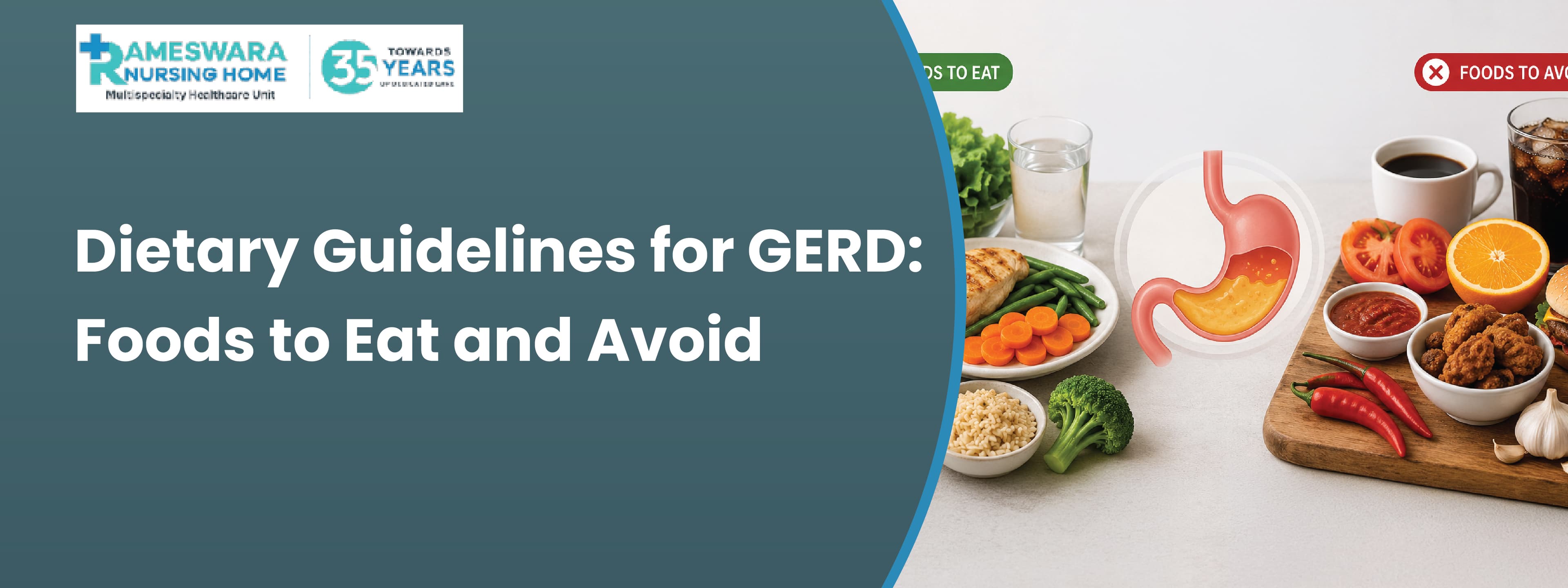

Dietary changes are one of the most effective ways to manage GERD (gastroesophageal reflux disease) symptoms without relying entirely on medication. By choosing the right foods and adjusting how you eat, you can significantly reduce heartburn, regurgitation, and that uncomfortable burning sensation in your chest. This guide explains which foods ease your symptoms and which ones trigger them, so you can take control of your digestive health today.
What dietary changes help GERD?
Dietary changes work by reducing stomach acid production, protecting the oesophageal lining, and preventing foods from triggering the lower oesophageal sphincter (the valve that keeps stomach acid down) to relax. When you eat foods that are gentler on your digestive system, you give your body less reason to produce excess acid. Some foods actually coat and protect your oesophagus, while others are naturally alkaline and neutralise acid.
The goal is not to eliminate whole food groups, but to swap trigger foods for alternatives that keep you comfortable. Most people notice improvement within 2-3 weeks of consistent dietary changes. This approach is especially valuable because it addresses the root cause, what you're putting into your body, rather than just masking symptoms. Working with a gastroenterologist helps you personalise your diet based on your specific triggers, since not everyone reacts the same way.
Understanding how food triggers acid reflux
Your oesophagus and stomach work together through a circular muscle called the lower oesophageal sphincter. When you eat, this valve opens to let food through, then closes to keep acid in your stomach. Certain foods relax this valve or increase stomach acid production, making reflux more likely. Acidic foods (citrus, tomato, vinegar) directly irritate your oesophageal lining. High-fat meals slow down digestion, keeping food in your stomach longer and increasing acid exposure. Spicy foods activate pain receptors in your oesophagus, making heartburn feel worse. Caffeine and chocolate relax the oesophageal valve.
Alcohol increases stomach acid and weakens the valve's seal. Carbonated drinks create gas pressure in your stomach, pushing acid upward. Your body's position also matters, lying down too soon after eating allows acid to flow back up. Understanding these mechanisms helps you see why certain foods cause problems and others don't, and why timing and portion size matter as much as what you eat.
Also Read: Foods That Trigger IBS Symptoms: Complete Dietary Guide
Foods to eat when you have GERD
The best foods for GERD are low in acid, gentle on digestion, and naturally alkaline. These options soothe your oesophagus and reduce acid production:
| Food Category | Best Choices |
|---|---|
| Vegetables | Broccoli, asparagus, green beans, cucumber, leafy greens |
| Fruits | Bananas, apples, pears, melons, berries |
| Proteins | Chicken breast, fish, turkey, lean ground meat, tofu |
| Grains | Oatmeal, brown rice, whole wheat bread, quinoa |
| Dairy | Low-fat milk, yoghurt, cheese (in moderation) |
| Fats | Olive oil, avocado, nuts, seeds (healthy amounts) |
Oatmeal is especially helpful because it absorbs stomach acid. Ginger aids digestion and reduces inflammation. Leafy greens are alkaline and nutrient-dense. Lean proteins give you satisfaction without excess fat. Whole grains digest slowly, preventing rapid stomach filling. Low-fat yoghurt provides probiotics that support digestive health. Bananas are naturally alkaline and gentle. Fish rich in omega-3 fatty acids (salmon, mackerel) reduce inflammation. Green tea has antioxidants without the caffeine punch of coffee. Eating smaller, frequent meals with these foods prevents your stomach from producing excess acid in response to large volumes of food.
Foods and drinks to avoid with GERD
Certain foods and beverages consistently trigger GERD symptoms. Knowing what to limit or eliminate helps you stay symptom-free:
| Trigger Category | Avoid or Limit |
|---|---|
| Acidic fruits/juices | Citrus, tomato, pineapple, vinegar-based dressings |
| Spices & seasonings | Chilli, black pepper, garlic, onion, mint |
| Beverages | Coffee, tea, alcohol, cola, energy drinks |
| Fats & oils | Fried foods, butter, cream, fatty cuts of meat |
| Dairy | Full-fat milk, cheese, ice cream |
| Chocolate & sweets | Chocolate, desserts, sugary snacks |
| Other | Carbonated drinks, tomato sauce, peppermint tea |
Coffee and tea are problematic because caffeine relaxes the oesophageal valve, even in decaf versions due to chlorogenic acids. Alcohol increases stomach acid and weakens the valve's seal. Fried and fatty foods take longer to digest, keeping your stomach full and acid-producing longer. Mint, despite feeling soothing, actually relaxes the lower oesophageal sphincter. Carbonated beverages create gas pressure that pushes acid upward. Late-night snacking and eating large meals are equally important to avoid. These trigger foods vary person to person, so tracking what affects you personally is key.


Eating habits that reduce heartburn
How you eat matters as much as what you eat. These practical habits prevent GERD flare-ups:
Eat smaller, frequent meals. Large meals stretch your stomach and trigger more acid production. Aim for 5-6 small meals instead of 3 heavy ones. Your stomach stays less full and digestion stays steady.
Chew thoroughly and eat slowly. Proper chewing breaks down food and mixes it with saliva, making digestion easier. Eating slowly gives your brain time to register fullness, preventing overeating. Spend 20-30 minutes per meal.
Wait 2-3 hours before lying down. Gravity helps keep stomach contents down. Lying flat immediately after eating allows acid to flow back into your oesophagus. This is crucial at night, avoid eating 3 hours before bed.
Stay upright after meals. Sitting or standing aids digestion. If you must rest, prop yourself up with pillows at a 30-degree angle.
Drink water between meals, not during. Liquids dilute stomach acid when you drink them with food, increasing reflux risk. Sip water 30 minutes after eating instead.
Identify and track your personal triggers. Keep a food diary for 2 weeks, noting what you eat and when symptoms appear. Everyone's triggers differ, so personalisation is essential.
How Rameswaram Healthcare Supports Patients With Long-Term GERD Relief
Long-term GERD management at Rameswaram Nursing Home is centred on identifying what is actually driving persistent symptoms rather than repeatedly treating heartburn with medication alone. The Gastroenterology & Endoscopy department is led by senior consultants Dr. Debasis Datta, Dr. Deepak Shah, Dr. Soumik Kr. Majhi, and Dr. Subhodip Laskar, with evaluation tailored to the patient's symptoms, diet, and response to previous treatment.
Depending on the clinical picture, assessment may include:
-
Diet and symptom review: Eating patterns, meal timing, portion sizes, and individual trigger foods are discussed rather than relying on a standard GERD diet sheet.
-
Upper GI endoscopy: Used when symptoms persist or alarm features require investigation, helping identify conditions such as oesophagitis, reflux-related changes, or a hiatus hernia.
-
Supporting investigations: In-house ultrasound and liver-function testing can help assess other possible causes of upper abdominal or digestive symptoms when clinically indicated.
-
Continued care: The hospital has an 8-bedded ICU and cashless insurance/TPA facilities, allowing patients who develop significant complications to access further care within the same hospital.
This approach helps distinguish uncomplicated GERD from symptoms that may require further investigation or a different treatment strategy.
If diet changes haven't brought the relief you're hoping for, or you'd like a personalised elimination plan reviewed by a gastroenterologist, you can chat with our medical assistant to book a consultation with the Gastroenterology & Endoscopy department, or call the hospital helpline directly to schedule an appointment.
Medical Disclaimer: This article is intended for general educational purposes only and does not constitute medical advice, diagnosis, or treatment. GERD symptoms can overlap with other, more serious conditions, including cardiac issues, and self-diagnosis based on this or any online article is not recommended. Please consult a qualified gastroenterologist or physician for evaluation and a treatment plan suited to your individual health history.